







Entrepreneurship teaches students how ideas transform into real-world solutions, products, and businesses through structured and strategic thinking.
Students learn to identify problems, evaluate opportunities, and build solutions with confidence, creativity, and leadership.
What Students Learn
Entrepreneurship builds practical life skills that empower students to think independently and take ownership of ideas.
Learners gain exposure to leadership, financial decision-making, and market awareness through real-world scenarios and projects.
- leadership and teamwork
- financial literacy and budgeting
- market research and awareness
- problem-solving and decision-making
- communication and pitching ideas
- ethical and social responsibility

Entrepreneurship & Student Growth
Entrepreneurship develops leadership, confidence, and financial literacy. Students learn to transform ideas into practical solutions while understanding risk and responsibility.
The subject prepares learners for real-world challenges by encouraging initiative, independent thinking, and long-term planning.

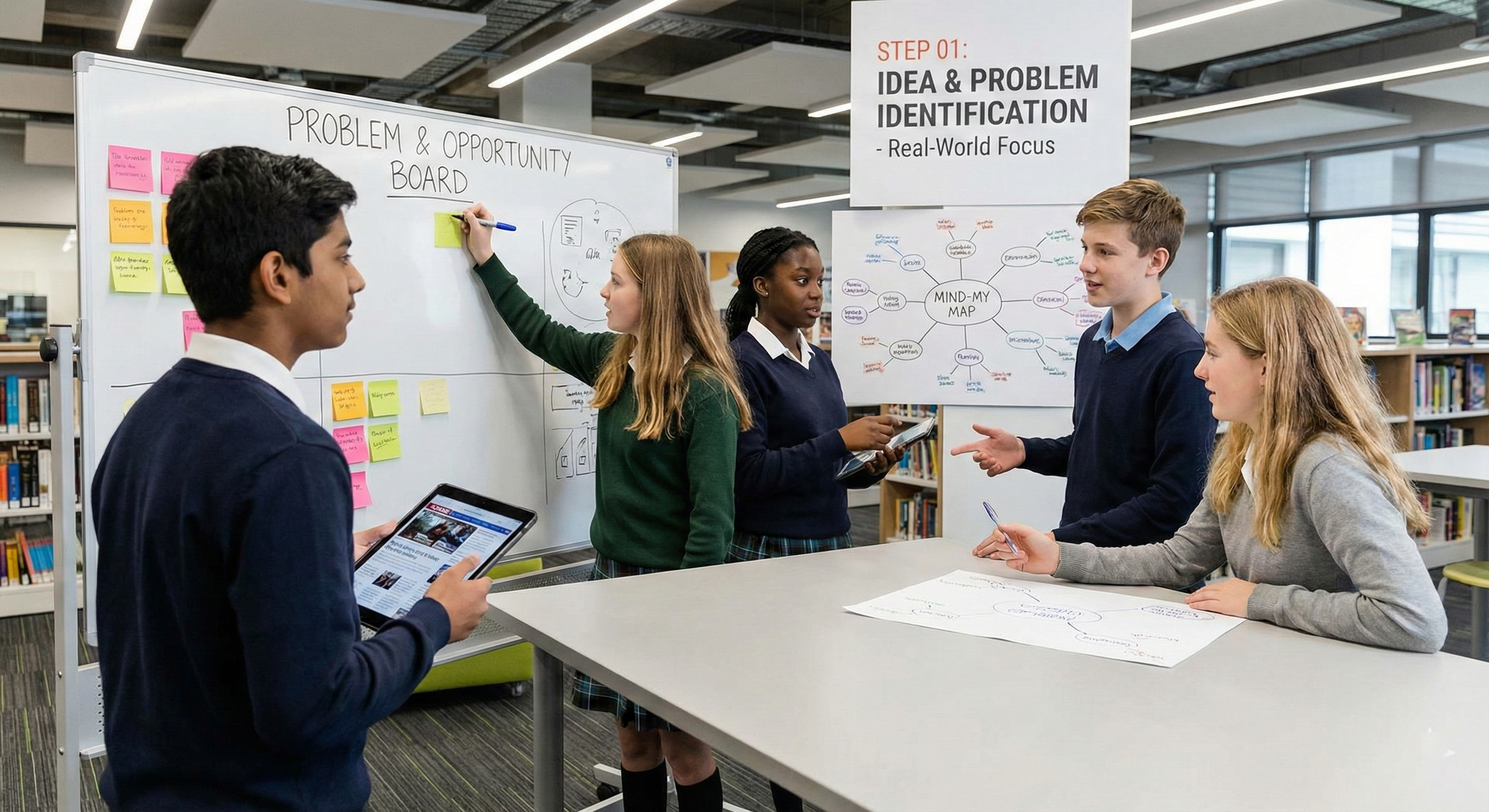
step 01
idea & problem identification
Understanding real-world problems and identifying opportunities.

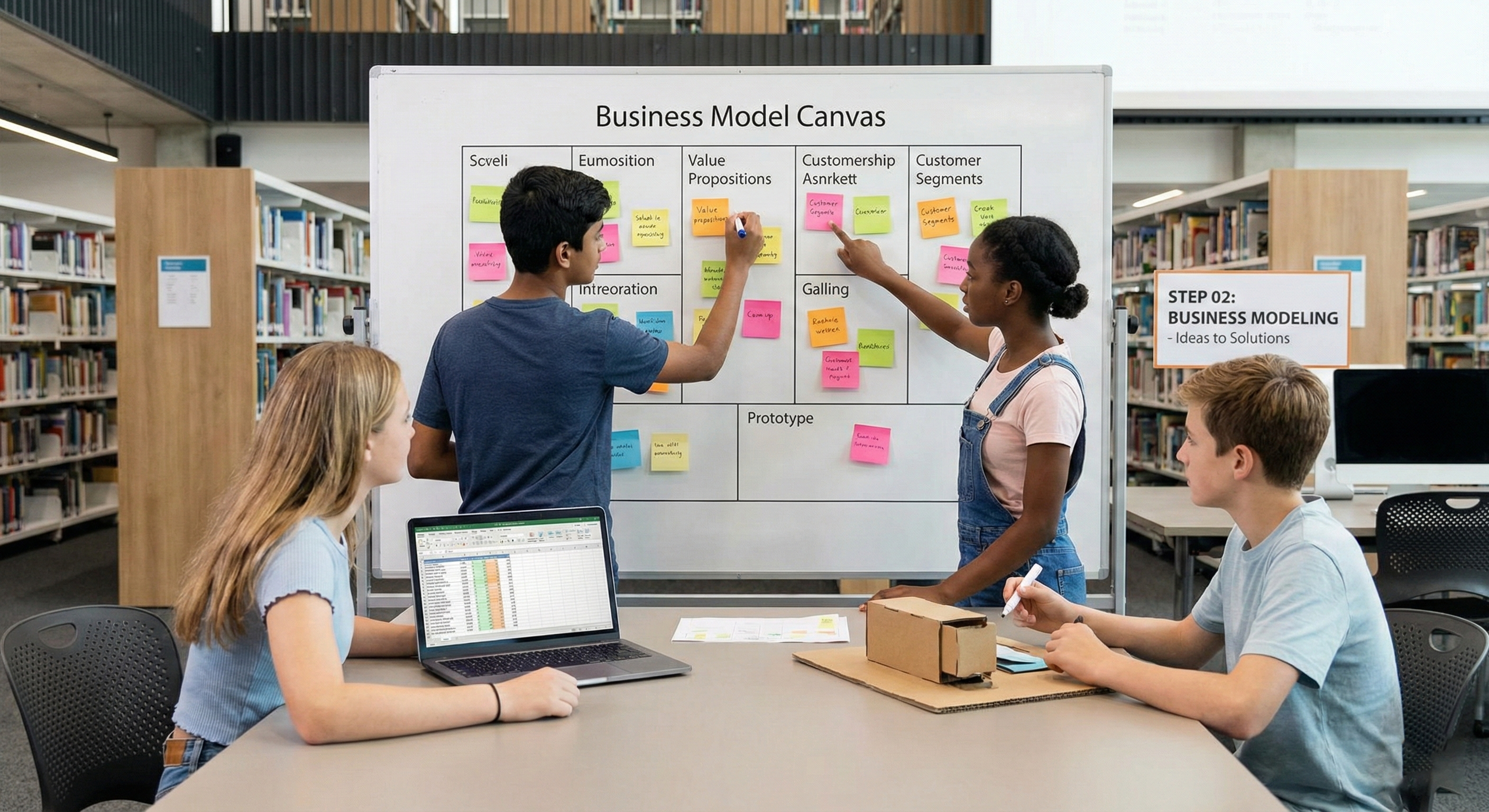
step 02
business modeling
Learning how ideas become products, services, or social solutions.

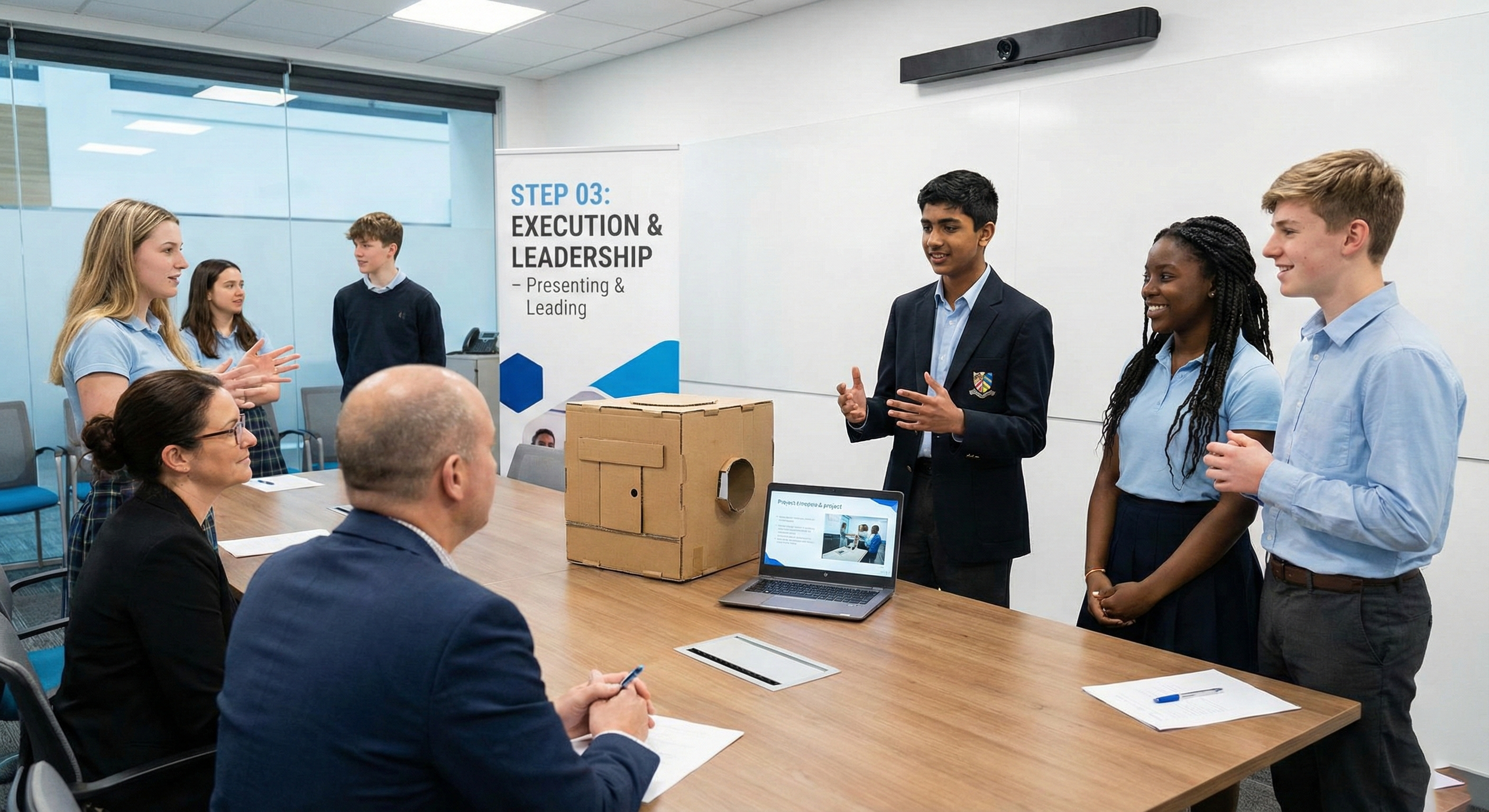
step 03
execution & leadership
Developing leadership, teamwork, and decision-making skills.
Lets address your questions today!
Entrepreneurship is the process of identifying problems, developing innovative ideas, and transforming those ideas into products, services, or businesses that create real value. It involves creativity, leadership, planning, and the ability to take initiative.
Students learn how businesses work, how to develop ideas, and how to bring solutions to life. This helps them become independent thinkers and prepares them to create opportunities for themselves and others in the future.
Yes, entrepreneurship helps students develop essential life skills such as leadership, confidence, communication, and financial awareness. These skills are valuable in every career path.
It also encourages students to think creatively, take initiative, and understand how ideas can be transformed into real-world solutions. This builds confidence and prepares them for future academic and professional success.
No prior business knowledge is required. Students begin with fundamental concepts such as idea generation, basic business models, and understanding customer needs.
The learning process is practical and beginner-friendly, helping students gradually build entrepreneurial thinking, decision-making skills, and business understanding.
Entrepreneurship teaches students practical life skills such as decision-making, responsibility, financial planning, and problem-solving. These skills help students handle real-world challenges effectively.
It also develops leadership, teamwork, and adaptability, which are essential for success in both professional careers and personal growth.
Entrepreneurship opens career opportunities across startups, corporate innovation, venture capital, and business leadership. Students can explore roles such as:
- Startup Accelerator Program Manager
- Venture Studio Associate
- Innovation Lab Manager
- Business Development Lead
- Corporate Entrepreneur (Intrapreneur)
- Product Commercialization Manager
- Social Impact Venture Founder
- EdTech / HealthTech Founder
- Family Business Expansion Strategist
- Investment Analyst (Venture Capital)
These careers allow students to work in startups, multinational companies, innovation labs, and investment firms. Entrepreneurship also empowers students to launch their own businesses, create jobs, and contribute to economic and social growth.

 +971 54475 7039